
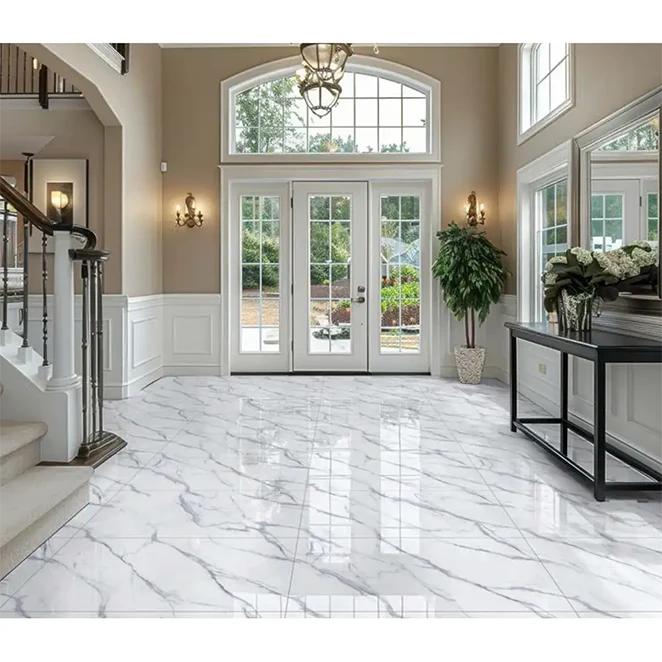
Acid etching creates dull, rough patches on marble benchtops wherever acidic liquids contact the stone. Lemon juice, vinegar, wine, coffee, tomato and many kitchen cleaners all cause etching. These marks cannot be wiped away — they require professional diamond polishing or honing. Marble contains calcium carbonate which reacts immediately with acids. Even mildly acidic substances like sparkling water, wine and many kitchen cleaners instantly etch the surface, dissolving the polished layer and leaving dull, rough patches. Professional diamond polishing or honing mechanically removes the etched surface layer, restoring a smooth, uniform finish. We apply an acid-resistant penetrating sealer afterwards. Honing is recommended for busy kitchen benchtops as the matte finish conceals future etching better.
Foot traffic and everyday cleaning can gradually reduce the stone's natural appearance.
Foot traffic and everyday cleaning can gradually reduce the stone's natural appearance.
Foot traffic and everyday cleaning can gradually reduce the stone's natural appearance.
Foot traffic and everyday cleaning can gradually reduce the stone's natural appearance.
Foot traffic and everyday cleaning can gradually reduce the stone's natural appearance.
Foot traffic and everyday cleaning can gradually reduce the stone's natural appearance.
Remove dirt, grime, stains, mould and everyday residue from indoor and outdoor limestone surfaces.
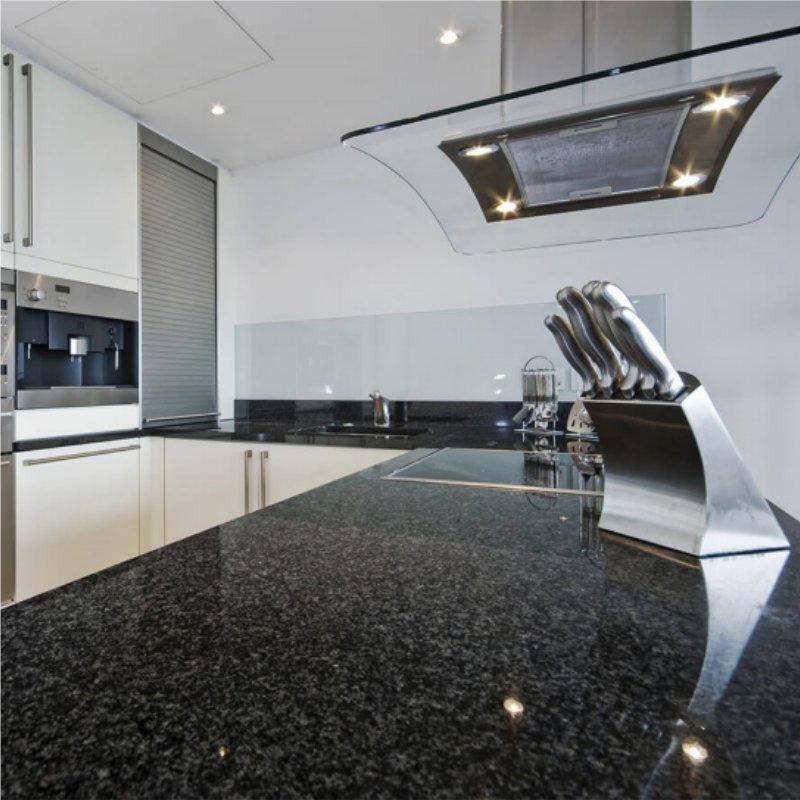
Remove dirt, grime, stains, mould and everyday residue from indoor and outdoor limestone surfaces.
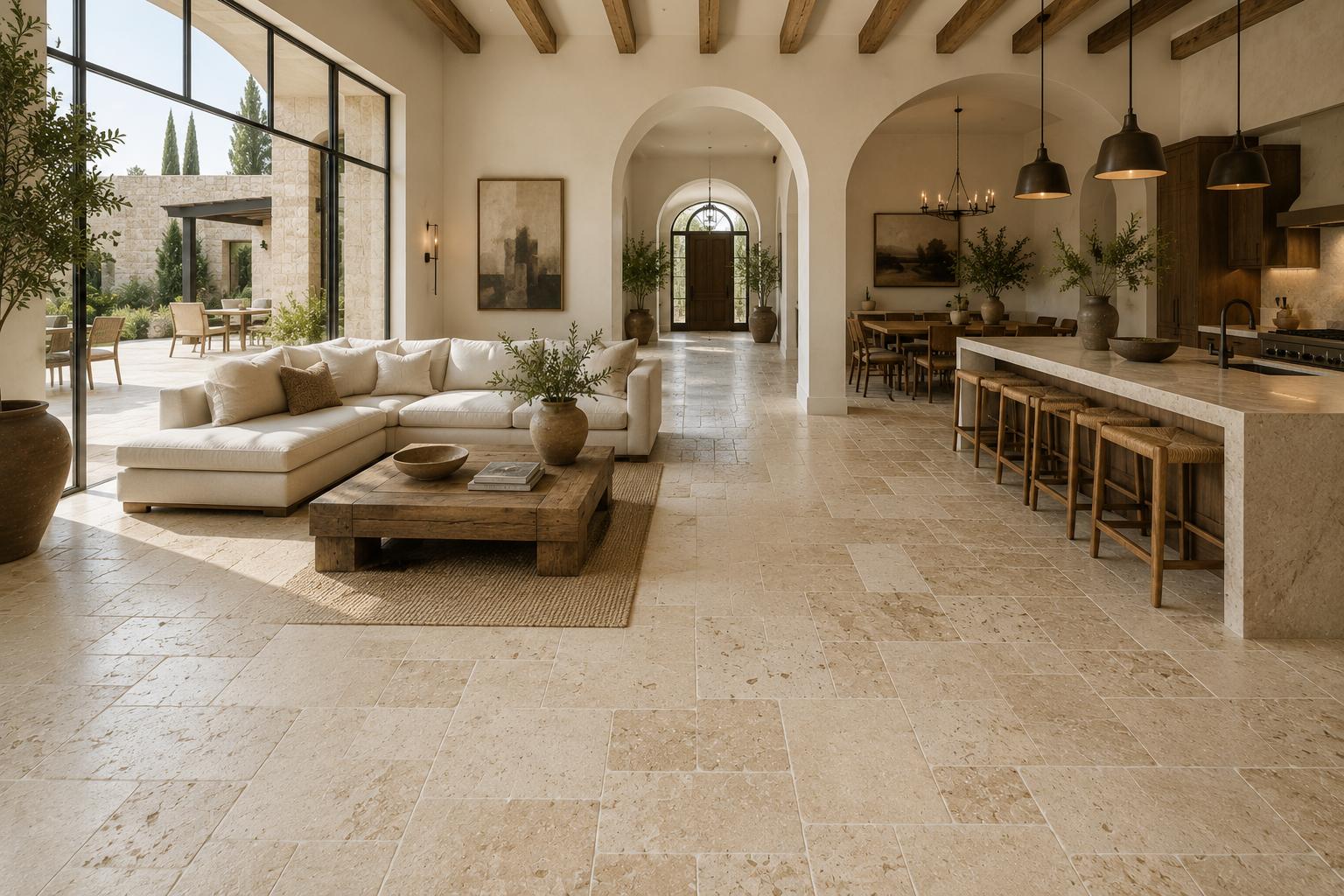
Remove dirt, grime, stains, mould and everyday residue from indoor and outdoor limestone surfaces.

Professional cleaning, honing and restoration for indoor limestone flooring.

Professional cleaning, honing and restoration for indoor limestone flooring.

Professional cleaning, honing and restoration for indoor limestone flooring.
EXCELLENT Based on 46 reviews
 Posted on Google
 shanaka pallawalaOne of the best floors care service ever in AustraliaPosted on Google
 Leslie TimmWe had an issue with the grout in the shower. Huge chips out of it and it was just old in general. Also the shower leaked every time we used it. I contacted Ryan and he was professional, on time and delivered a high quality or work. Even coming back the next week to fix an unexpected issue (big gaps between the floor and wall). The before and after pics show the difference. We are very happy so far.Posted on Google
 Kylie CoenHighy recommended Indie from Aus Floor Care. I had a marble bench top refurbished. It had etch marks and had been epoxy impacted in its early life. He took extra care to remove epoxy layer and then bring life back to the marble. Good communication and cleaned up and very politePosted on Google
 Barbara WorkmanGreat experience from obtaining the quote through to completion of the job. Indi is very helpful and great at keeping me informed of progressPosted on Google
 GregAus Floor Care did a great job refurbishing the marble in two vanity unitsPosted on Google
 Peter SalernoIncredible Restoration – Saved My Bluestone! After having bluestone crazy paving laid, I had a nightmare experience with a previous tradesman who applied a dark-tinted sealer and then unsuccessfully tried to grind it out. The stone looked ruined. I called Ausfloor Care, and Indie was fantastic. He explained exactly what needed to happen to fix the damage. He managed to restore the bluestone to its beautiful natural color and applied a natural-look sealer that truly highlights the stone. We absolutely love the finished result. If it wasn’t for Indie and his team, I would have given up and tiled over the entire area. Highly recommended!Posted on Google
 Kylie HeineIndie and his team are absolutely 5 star!! Indie repaired the cracks in our terrazzo kitchen floor and has honed and polished it to a beautiful finish. The team were extremely professional, polite and friendly and went above and beyond with helping move furniture. They arrived on time and worked so hard to finish the job on time. I cannot recommend Indie highly enough. I will certainly be using him again when we need any stone maintenance in the future.Posted on Google
 Maria MontesanoVery good customer service was very happy with the end result. Very friendly staff would recommend them highly.Posted on Google
 David KahanAbsolutely outstanding! Indie and his team were beyond professional. Communication, attitude, friendliness and the excellent job completed on our limestone paving were all perfect. I cannot recommend these guys highly enough. I haven’t been this happy to pay a bill so quickly.Posted on Google
 Judith WalshI am very happy indeed with the service and expertise shown in the polishing and sealing of my marble kitchen benchtops. They look amazing. All care was taken to protect surrounding areas with a fine clean up at finish. I would certainly recommend their product and their service.Verified by TrustindexTrustindex verified badge is the Universal Symbol of Trust. Only the greatest companies can get the verified badge who has a review score above 4.5, based on customer reviews over the past 12 months. Read more
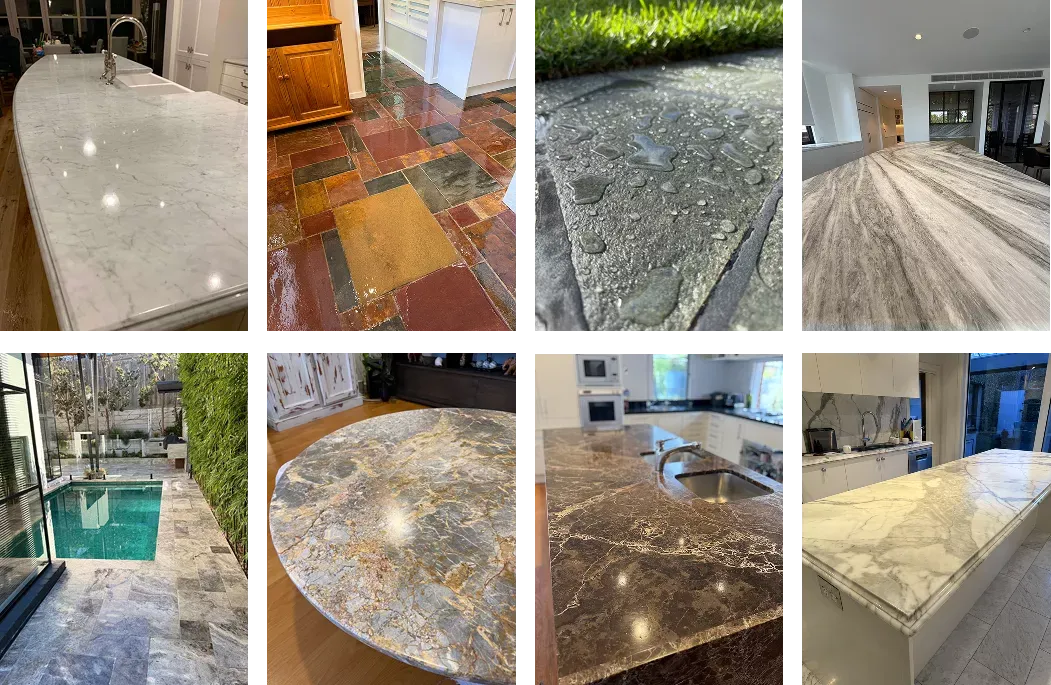
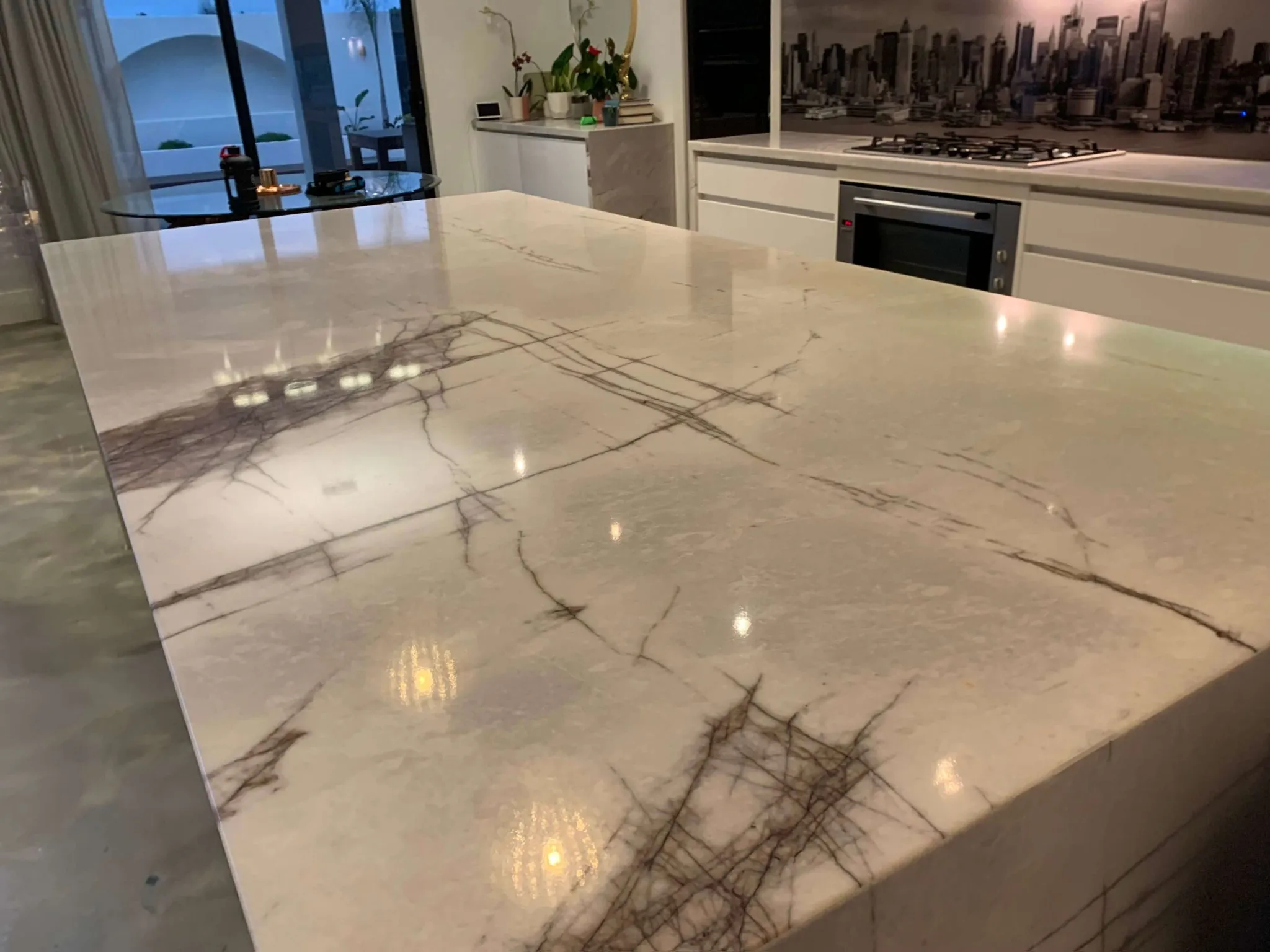
Yes — etch marks on marble benchtops can be fully removed by professional diamond polishing or honing. Etching is mechanical damage to the stone surface that cannot be wiped away, but it responds very well to diamond abrasive polishing. After treatment, the surface is smooth and uniform again.
Etching is caused by acid reacting with the calcium carbonate in marble. Common kitchen culprits include lemon juice, vinegar, wine, tomato, coffee, sparkling water, fruit juices and a large number of kitchen cleaning products. Even brief contact is enough to cause etching on unsealed or under-sealed marble.
For kitchen benchtops, honing is usually the better choice. A honed matte-to-satin finish is much more resistant to showing new etch marks than a high-gloss surface — both etch at the same rate, but marks are far less visible on a honed surface.
Use only stone-safe pH-neutral cleaners. Wipe up acid spills immediately. Apply a quality penetrating sealer every 1–3 years. Consider switching to a honed finish which is far more forgiving in kitchen environments.