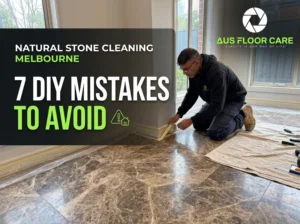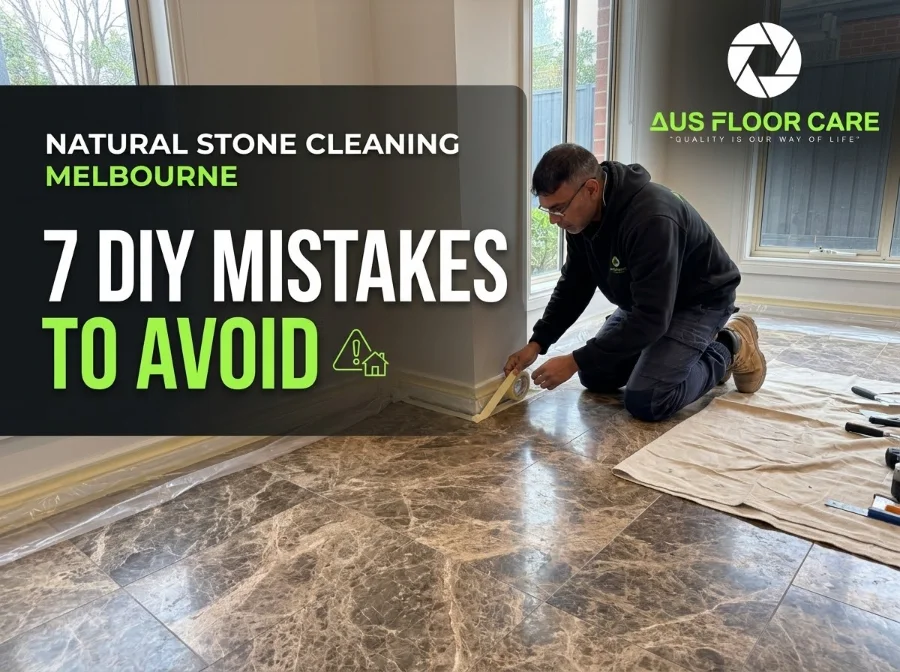
Natural stone can look beautiful for decades, but the wrong cleaning routine can gradually affect its finish. A product that works on ceramic tiles or glass may be unsuitable for marble, limestone, travertine or another acid-sensitive surface.
Before cleaning a stone floor or benchtop, identify the material and understand its finish. These seven common DIY mistakes are worth avoiding.
1. Using Vinegar or Lemon-Based Cleaners
Vinegar and lemon are acidic. They can react with calcium-based stones such as marble and limestone, creating dull etch marks that ordinary cleaning cannot remove.
Use a cleaner specifically recommended for your stone instead. If an acidic product has already contacted the surface, stop using it and seek advice before attempting to polish the area.
2. Choosing Abrasive Pads and Scouring Powders
Scouring powders, rough pads and stiff abrasive brushes can scratch or dull polished stone. Damage may be more noticeable under direct light or across high-gloss finishes.
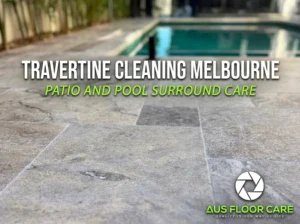
Use a soft microfibre cloth or a suitable non-abrasive tool. For textured outdoor surfaces, ask which brush type and cleaning method are safe for the specific material.
3. Using a General-Purpose Cleaner Without Checking Its Ingredients
Not every multi-purpose cleaner is suitable for natural stone. Some contain acids, strong alkalis, solvents or additives that can affect the finish, sealer or surrounding materials.
Read the product label and confirm that it is intended for your stone type. When uncertain, test only in a small inconspicuous area after checking the manufacturer’s instructions.
4. Letting Spills Sit on the Surface
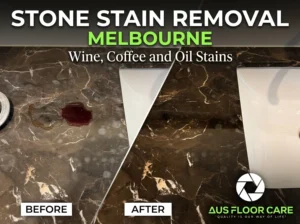
Wine, coffee, oils, sauces and coloured liquids can penetrate porous stone, particularly where the sealer is worn or absent. Wipe spills promptly by blotting rather than scrubbing them across the surface.
Remember that some spills can etch marble rather than stain it. A quick wipe reduces exposure but cannot prevent every chemical reaction.
5. Using Too Much Water or Leaving Residue
Excess water can move dirt into grout lines, collect in low areas or leave mineral deposits as it dries. Too much cleaner can also leave a film that attracts more soil and makes the floor look cloudy.
Follow the product dilution instructions, use clean water as directed and avoid leaving puddles. Check that the cleaning method suits the surface and installation.
6. Applying Bleach or Strong Chemicals to Remove Stains
Bleach and strong household chemicals are not universal stain removers. They may discolour some materials, affect nearby finishes or react with previous treatments. Mixing cleaning products can also create hazardous fumes.
Do not combine chemicals or experiment with concentrated products. Identify the stain and stone first, then use a suitable treatment.
7. Trying to Polish or Seal Stone Without Preparation
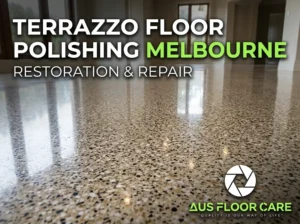
Polishing compounds and sealers are not interchangeable. Applying a coating over dirt, residue or an unsuitable finish can trap contamination or create an uneven appearance. A sealer also cannot repair scratches or reverse etching.
Professional honing, polishing or sealing should be selected only after the surface has been assessed and prepared correctly.
A Safer Routine for Natural Stone
Use a stone-appropriate cleaner, remove grit regularly, wipe spills promptly and follow the maintenance advice for your particular material. If the floor or benchtop remains dull, stained or scratched despite careful cleaning, the issue may need professional restoration rather than a stronger household product.
Aus Floor Care provides natural stone cleaning and restoration across Melbourne. Explore our stone types and stone restoration services, or contact us with photos for advice.


 Trustindex verifies that the original source of the review is Google.
 Trustindex verifies that the original source of the review is Google.
 Trustindex verifies that the original source of the review is Google.
 Trustindex verifies that the original source of the review is Google.
 Trustindex verifies that the original source of the review is Google.
 Trustindex verifies that the original source of the review is Google.
 Trustindex verifies that the original source of the review is Google.
 Trustindex verifies that the original source of the review is Google.
 Trustindex verifies that the original source of the review is Google.
 Trustindex verifies that the original source of the review is Google.
Stone types we Serve
What We Provide
Areas We Serve Across Melbourne